Incorporating efficient occupational health and safety protocols is a pivotal aspect of managing a business. Employers are entrusted with the task of assessing and controlling risks linked to hazardous substances and work procedures, going beyond mere adherence to regulations.
In reality, prioritizing workplace safety can yield positive effects on various fronts such as productivity, employee retention, and competitiveness. MASMA Safety Selangor specializes in delivering occupational safety and health services alongside consultancy, aiding businesses in mitigating risks and ensuring the well-being of its personnel
Our Services
To identify employees who may be exposed to excessive noise. The process typically includes measuring noise levels in various areas of the workplace using sound level meters, identifying sources of noise, and assessing the duration and intensity of exposure.
Part of the DOSH requirement to reduce noise-induced hearing loss (NHL) among employees and regular monitoring and review of noise levels are essential to ensure ongoing compliance and the effectiveness of control measures, thereby safeguarding workers’ hearing health.
NOISE RISK ASSESSMENT (NRA)
ERGONOMIC RISK ASSESSMENT (ERA)
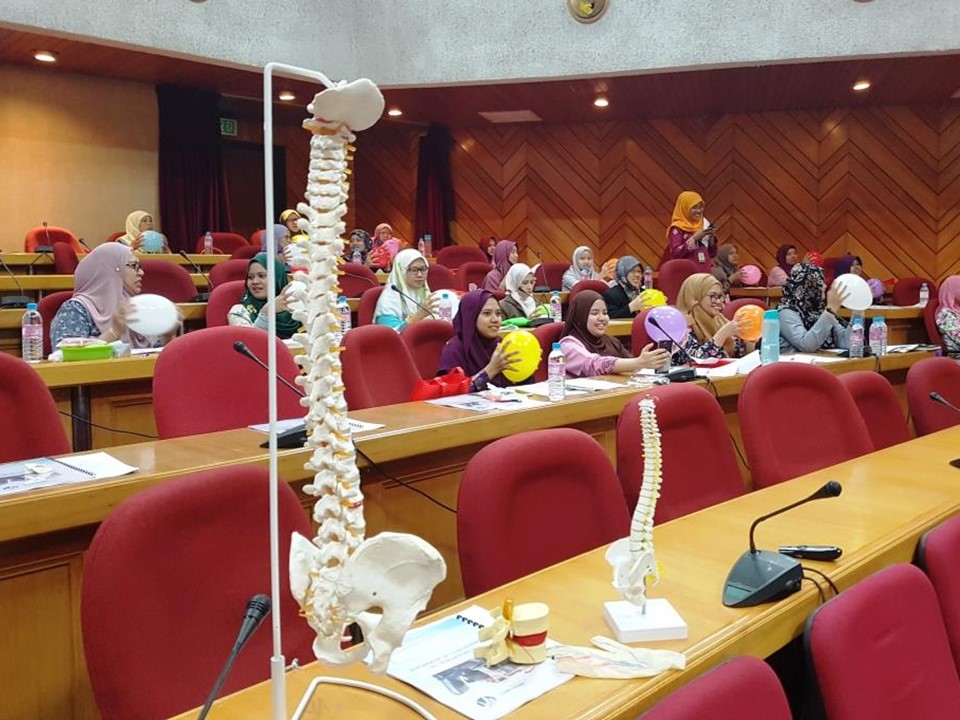
Ergonomic risk assessment in industry involves evaluating and addressing factors that may contribute to musculoskeletal disorders (MSDs) or other ergonomic-related issues among workers
To Identify tasks, tools, equipment, and workstations that may pose ergonomic risks and assessing the potential for injury or discomfort
The assessment may involve various methods such as observations, interviews, surveys, and ergonomic tools. Key areas of focus often include posture, repetitive movements, force exertion, vibration exposure, and environmental factors.
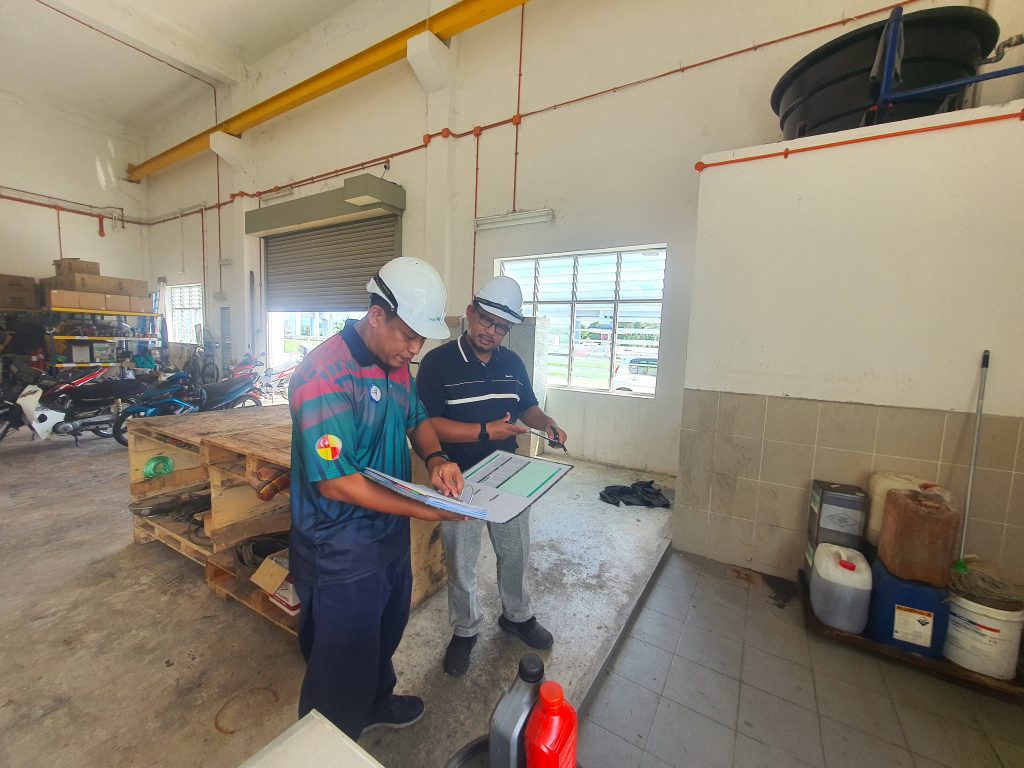
Chemical health risk assessment involves the evaluation of potential health risks associated with exposure to various chemicals present in the workplace environment
Assessment that need to conduct in term of use, handling, storage or transportation of chemical hazardous to health in the workplace
Required by Occupational Safety and Health Regulation 2000 (Use and standard of Exposure of chemicals hazardous to health)
Key components of chemical health risk assessment include identifying the types and quantities of chemicals present, assessing potential exposure pathways, determining toxicity levels, and establishing safe exposure limits.
CHEMICAL HEALTH RISK ASSESSMENT (CHRA)
LOCAL EXHAUST VENTILATION SYSTEM (LEV)
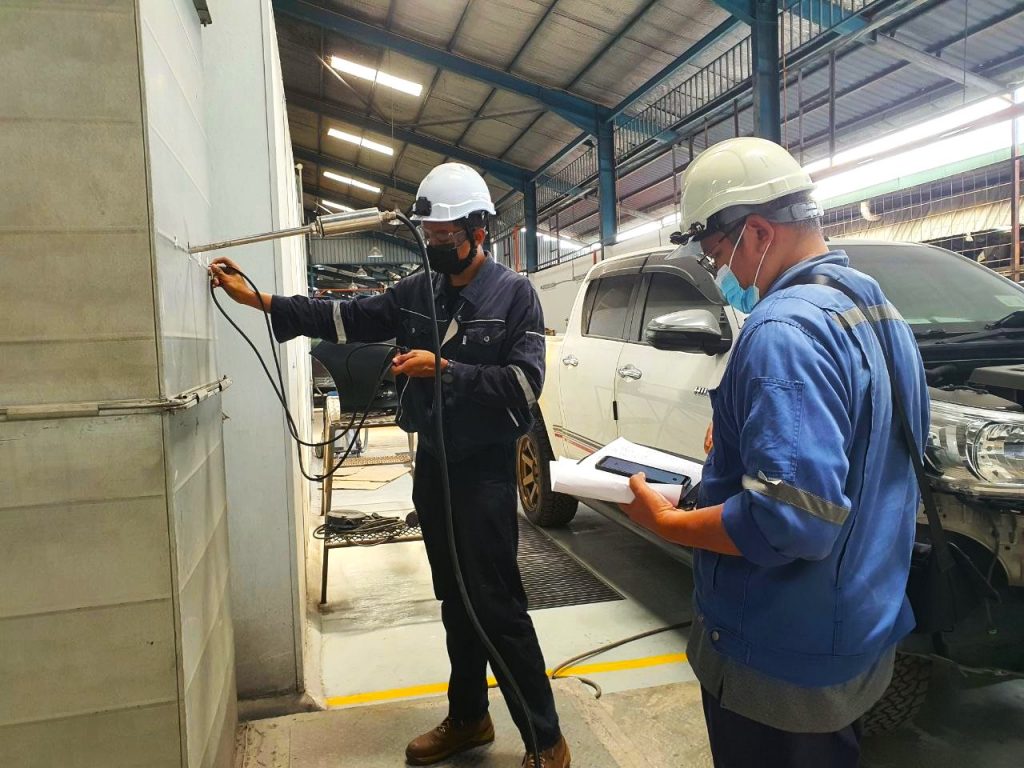
A Local Exhaust Ventilation (LEV) System assessment is a critical evaluation conducted in industrial settings to ensure the effectiveness of ventilation systems designed to control and remove hazardous airborne contaminants at their source
Assessment involves examining the performance and condition of the LEV system components, including hoods, ductwork, fans, and filters, to verify that they meet regulatory requirements and effectively protect workers’ health
By assessing factors such as airflow velocity, capture efficiency, and system maintenance, the evaluation aims to identify any deficiencies or areas for improvement in the LEV system’s design, operation, and maintenance practices.